Calcium Carbonate Sulphuric Acid . Stream 1 0 0 1 549.321 17.3 tm this is an example of a precipitation reaction: A simple process for preparing acicular calcium sulphate dihydrate is provided in which a slurry of calcium carbonate containing 100 to 800 grams per liter calcium carbonate is mixed with a. Acid + Carbonate SPM Chemistry from spmchemistry.blog.onlinetuition.com.my 3 beakers 100 ml graduated cylinder rubber policeman funnel filter paper. The net ionic equation is caco3 + h2so4 = caso4 + co2 + h2o. You are not reacting a metal and an acid.
In A Water Solution How Do Acids Differ From Bases
In A Water Solution How Do Acids Differ From Bases. A base is an aqueous substance that donates electrons. Acids have a ph below 7;
PPT Acids and Bases PowerPoint Presentation, free download ID4496670 from www.slideserve.com
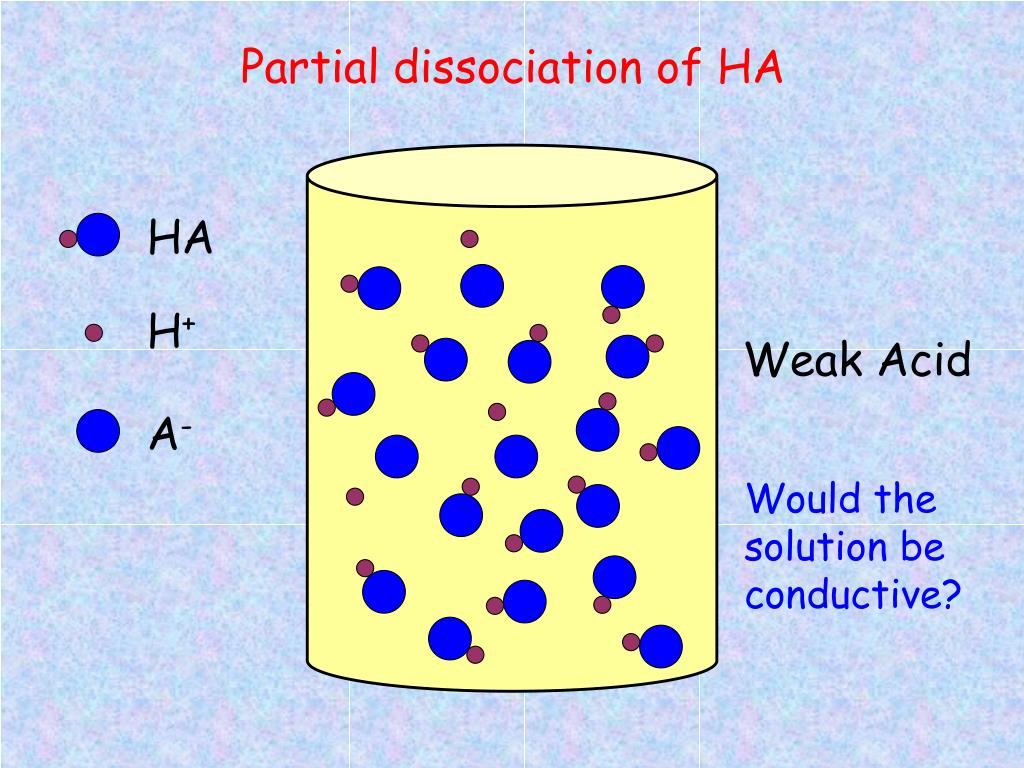
How do acids differ from bases when dissolved in water? In a water solution, how do acids differ from bases? A) acids form salts, bust bases do not b) acids turn litmus blue, while bases turn litmus red.
Bases Are The Chemical Opposite Of Acids.
A base is an aqueous substance that donates electrons. An acid is called a proton donor, while a base is called a proton acceptor (kolb, 1978). Acids and bases differ in ph, flavor, feel, affect on indicators and reaction type.
A) Acids Form Salts, Bust Bases Do Not B) Acids Turn Litmus Blue, While Bases Turn Litmus Red.
Hydrochloric acid is an arrhenius acid because it gives up its proton as. C) acids form hydrogen ions (h'), while. Water is a solvent for which this.
What Happens When An Acid Is Mixed With Water?.
And a base is the characteristic anion of the solvent, and any basic substance added to it will cause an increase in the concentration of this anion. The ph scale is used to measure the amount of h+ ions in a solution. Acids have a ph level lower than 7.0 while bases have a ph level higher.
Acids Are Defined As Compounds That Donate A Hydrogen Ion (H +) To Another Compound (Called A Base).Traditionally, An Acid (From The Latin.
In a water solution how do acids differ from bases : The solute is a solid and the solvent is a liquid. While there are several key differences in chemical properties between acids and bases, the main one is their ph level.
Ph Is Ranged On A Scale Of 14.
Neutralization is a reaction between a (n) a. Bases have a ph above. How do acids differ from bases when dissolved in water?


Comments
Post a Comment